

Every year, since the early 1970s, South Africa has commemorated Arbor Day, which has evolved into Arbor Week. This National campaign aims to encourage South Africans to plant indigenous trees and promotes the ideal of maintaining a sustainable environment. Trees are vital to our environment and economy in many ways and therefore it is important to protect forests and continue to plant indigenous trees.
Why do we need to we plant trees?
Trees play a role in climate change by decreasing the levels of carbon dioxide and increasing oxygen levels in the atmosphere. When we plant more trees, we are helping to combat climate change. Arbor Week also aims to promote sustainability since there are other factors that we need to address to fight climate change.
Deforestation is an ongoing continuous threat to our ecosystem and approximately 420 million hectares of forest has been destroyed since 1990. More than 30% of the world’s tree species face extinction due to deforestation and the loss of habitats. The single tree we plant during Arbor Week, cannot replace this loss of biodiversity and habitats. However, there are projects in place that aim to restore damaged ecosystems by planting indigenous plants in spaces they thrive in.
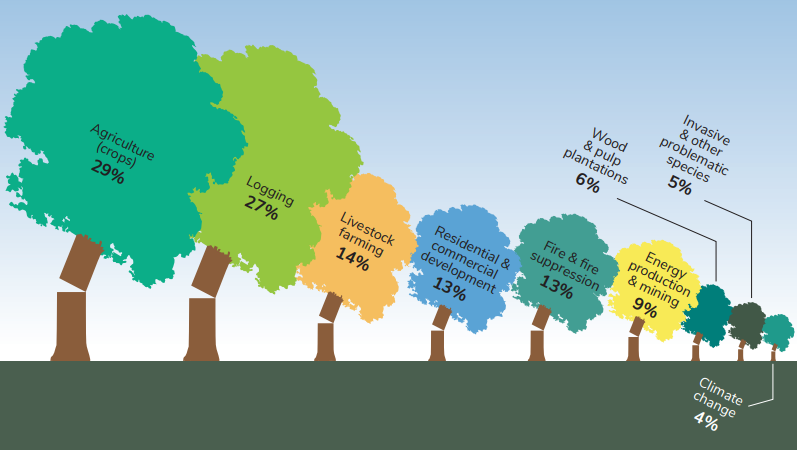
Arbor Week has brought problems, such as climate change and deforestation, to the public’s attention and shows the importance of changing habits to decrease our damaging carbon footprints. However, there are many more reasons to plant trees:
- Indigenous trees enrich the quality of the soil they are planted in.
- You do not have to water indigenous trees as much and they also increase the water retention of soil.
- Trees and their roots can help to prevent erosion.
- Fruit trees provide a source of food for both humans and wildlife.
- Planting indigenous trees protects our heritage, as tree propagation prevents the extinction of indigenous tree species.
A man does not plant a tree for himself. He plants it for posterity.
Alexander Smith
The role of trees
Trees have been part of the earth’s ecosystem for millions of years and some living trees have been rooted in the earth’s soil for millenniums. Trees are not only physically present in our environment – they are symbol of family and serves as a connection to our ancestors and brings a sense of belonging.
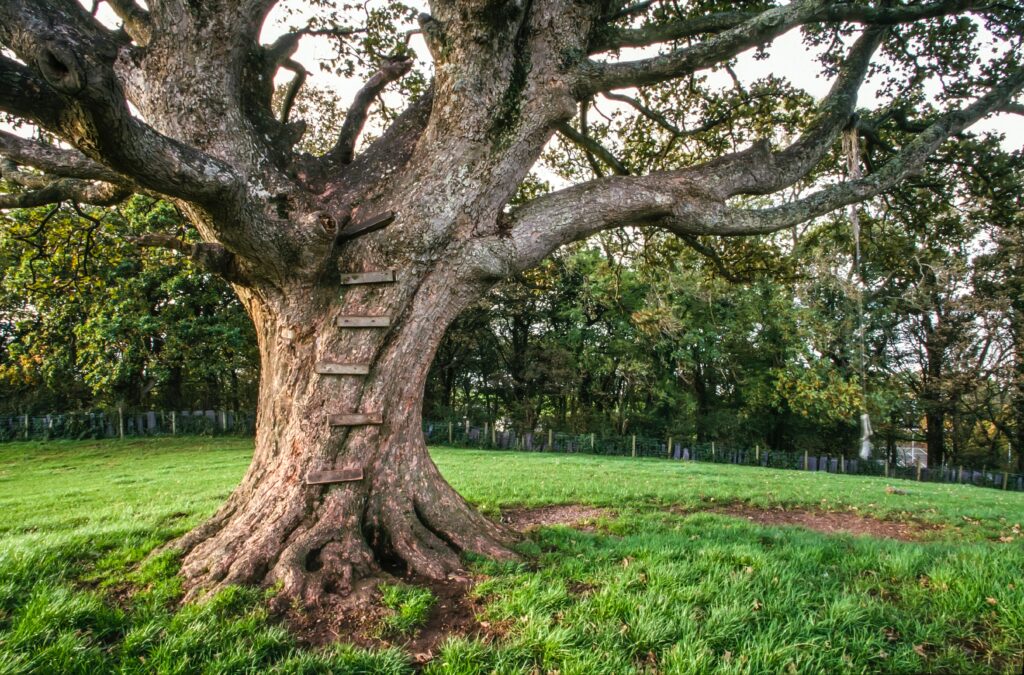
In addition, trees are part of our heritage and in South Africa, more than 20 trees and groups of trees are considered National Heritage Resources due to their cultural importance. One of these trees is the Mossel Bay Post Office Tree, which is believed to have been the tree where Portuguese sailors exchanged messages by placing letters in a boot beneath the tree during the 16th century, serving as the first mailbox in South Africa.
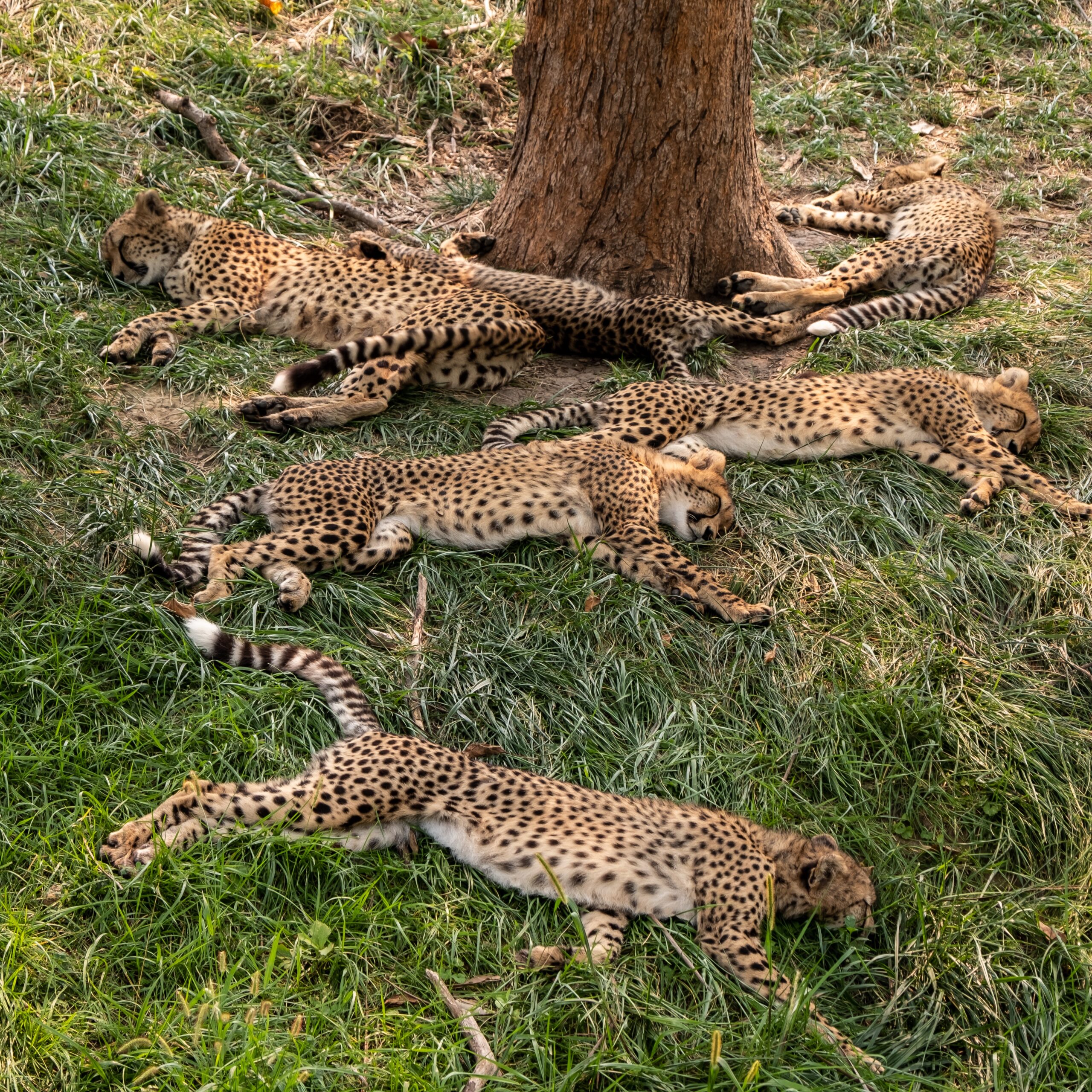
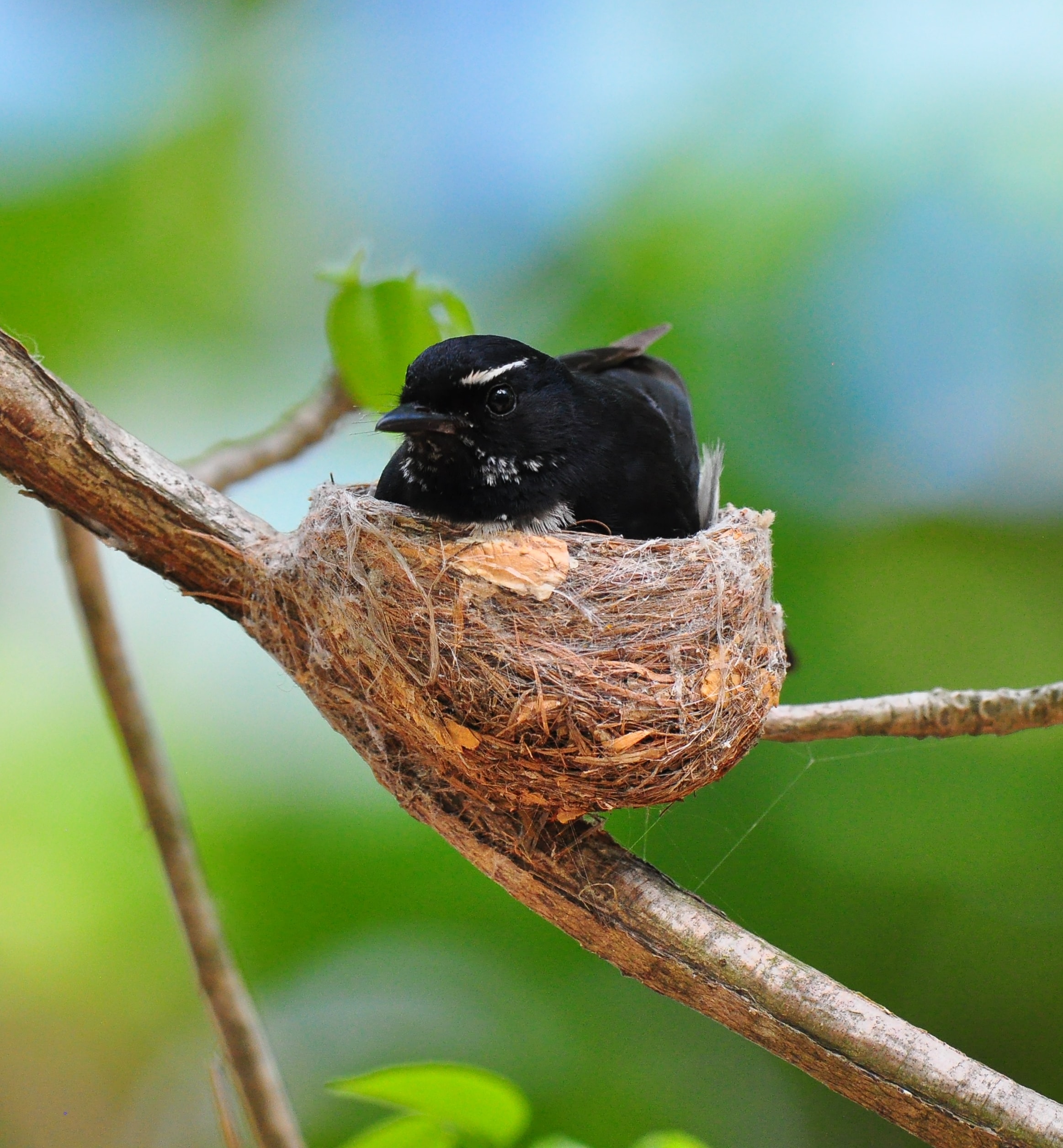
Trees are also decorative and can bring life to gardens and provide shade on warmer days. Aside from their aesthetic value, trees are sources of oxygen, food, medicine, paper, and many other useful materials. Further, by converting carbon dioxide into oxygen, conserving water, and even preventing erosion, trees play a vital role in the environment. In the wild, trees also provide shelter and shade for animals, a place to build nests, and is a reliable source of food.

Trees are essential to life, and it is important that we protect the trees we have, especially those facing extinction, and plant indigenous trees. Celebrating Arbor Week by planting a tree raises awareness of problems, like climate change, and enriches our heritage. Planting trees now, ensures that future generations might enjoy their shade and all the other benefits they provide.
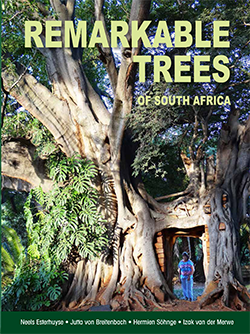
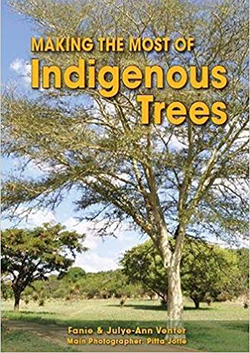
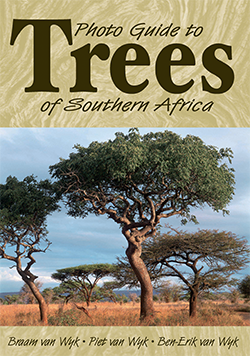
Briza has a wide collection of books filled with knowledge on indigenous and other remarkable trees in South Africa, including: