

Written by author Clive Bromilow
There are quite a few Acacia species that are considered problem weeds in South Africa. The name Acacia was also used for a range of indigenous South African tree species, which are well-known and loved trees. However, these non-indigenous species are considered problematic in many parts of the world. In 2011, it was decided to rename the South African Acacias to Vachellia or Senegalia. This is the second article in the series by author Clive Bromilow, that aims to bring attention to the problem plants in your environment and highlight what you can do to counter the spread of these invasive plants. This article will focus on black wattle.
Check out the first article in the series here!
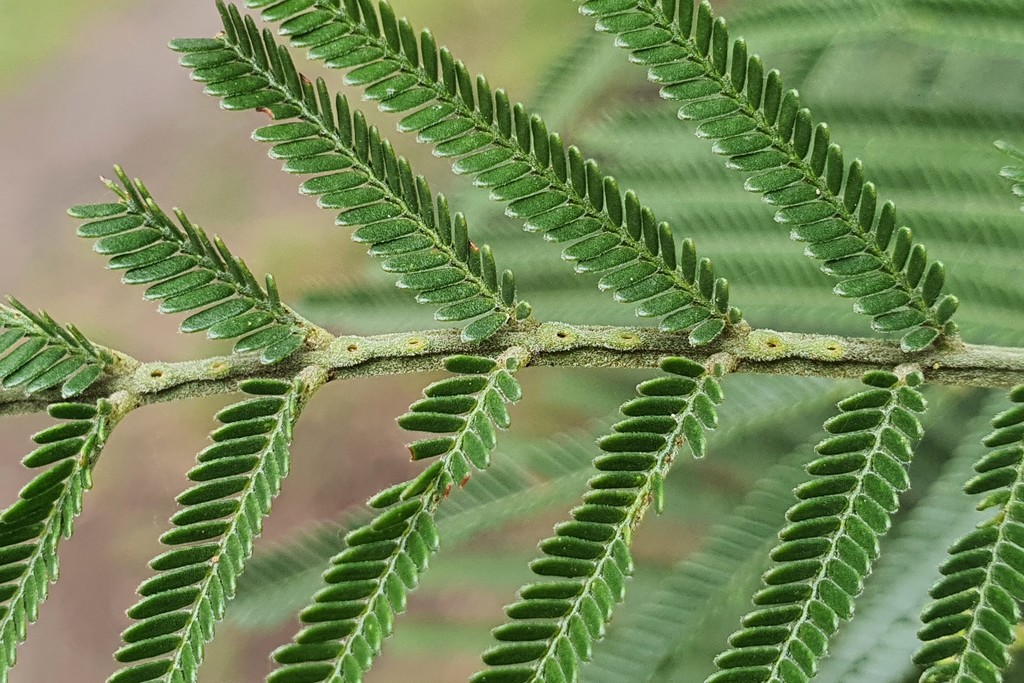
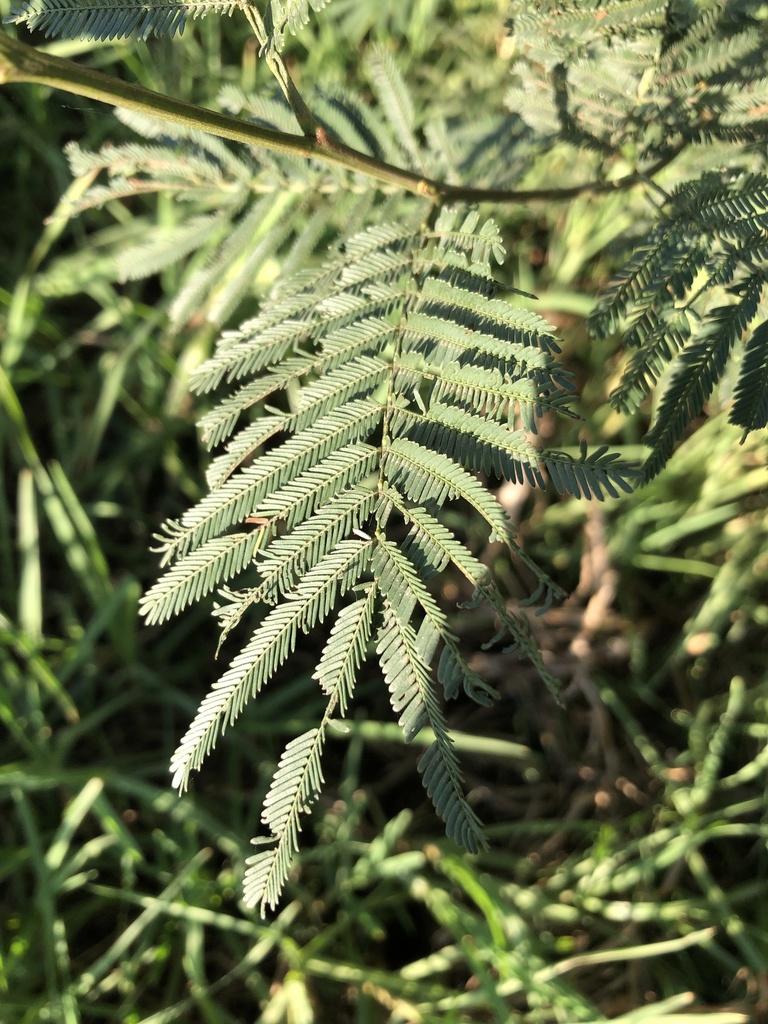
The black wattle (Acacia mearnsii)
The black wattle tree is one of the biggest threats to South Africa’s ecosystem, while others like the silver wattle (A. dealbata) and at least 12 other wattle types are registered weeds and are also serious and invasive in South Africa. The black wattle was first brought to South Africa in the 19th century.
Most of these weedy wattle trees come from Australia and are now found throughout Africa.
Production of the black wattle in South Africa
There are several wattle types that are grown commercially for timber, as well as the production of tannic acid, which is used in the leather tanning industry. In South Africa, about 110 000 hectares of these trees are permitted to be grown commercially, mainly black wattle and silver wattle (Acacia dealbata). To do this, the producer needs a permit for a limited number of hectares and it is their responsibility to make sure these trees do not grow outside the permitted areas. The black wattle is NEMBA 2-rated because it can be grown in controlled conditions with a permit.


Why is the black wattle considered problematic?
These Acacia species are now known throughout southern Africa as having become seriously problematic. They invade veld, fynbos, roadsides, riversides, and even crop plantations, like sugarcane fields. They are draining water from our waterways – they are responsible for using about 10 million litres of water on an annual basis!
They also interfere with biodiversity and are on the list of the “World’s Worst Invasive Species”.
Like all non-indigenous species, they interfere with the natural and fragile balance of our indigenous ecosystem. This can affect local animals, birds, insects, and our natural water supply – whilst they also interfere with our biosphere, removing vital oxygen and encouraging the production of less wanted gasses. These things can all seriously interfere with our very survival on this planet!
How to control the spread of Black Wattle
Control is not always easy. Herbicides are used for the treatment of stems and stumps of removed wattle trees to prohibit further growth, and there are foliar sprays that can be used to eradicate smaller wattle trees and seedlings. Burning areas of grassland in order to clear up an area and remove other weeds can be effective, however, fire stimulates the production and germination of wattle seedlings – and if they are not immediately removed, fires can make the problem even worse.

So, we all have to be aware of the dangers Black Wattle poses to the environment, spread awareness and do what we can to remove them, thereby protecting our ecosystem and our survival on earth.
Read more about Black Wattle and other problematic plants around Southern Africa in Clive Bromilow’s book: Problem Plants and Alien Weeds of Southern Africa
Also available in Afrikaans: Probleem Plante en Indringeronkruide van Suider Afrika.